

What Safe Listeners Can and Cannot Do
September 15, 2025
Creative Birthday Party Activities in Nairobi
December 3, 2025

Need to Talk to Someone?
Some days feel heavier than others. Maybe you wake up with a knot in your chest. You carry thoughts that loop in your mind like a broken record. Or perhaps you simply crave a moment where someone listens without rushing to give advice.
If you’ve ever whispered to yourself, “I just need to talk to someone,” you are not alone. Many Kenyans feel the same way. Whether they are juggling work stress, family pressure, loneliness, or questions about life’s direction.
This article explores safe listeners. They are not therapists. They are not doctors. They are caring people who create space for you to talk.
Why It’s Normal to Feel This Way
Life can feel overwhelming. Bills pile up. Jobs disappoint. Relationships break down. Even the small things, like a matatu delay or a neighbor’s loud music, can tip the balance when your heart is already tired.
It’s human to want to share those feelings. Talking helps release pressure, the same way steam escapes from a pot. You do not need a crisis to justify reaching out. Sometimes you simply need a friendly ear.
Think about it. Your phone lags when you open too many apps. Your mind does the same. Closing a few tabs through conversation can free space for clarity.

Who Are Safe Listeners?
Safe listeners are people who offer their time and presence. They listen without judgment. They allow you to express yourself in your own way. I am a safe litsener. Feel free to reach out on 0745464330 if you need this service.
Unlike therapists, they do not diagnose conditions. They don’t prescribe treatment or medication. They provide companionship, empathy, and encouragement.
You can find safe listeners in different spaces in Kenya. Some volunteers through NGOs. Some serve through churches or universities. Others connect with people online. The common thread is a commitment to listen with care.
What You Can Expect from a Safe Listener
When you sit with a safe listener, you can expect calm. You can expect patience. You can expect to be heard without interruption.
Here are some things safe listeners often provide:
- Confidentiality: Your story stays between you and the listener, unless there’s a serious risk of harm.
- Non-judgmental space: You will not be shamed for your feelings.
- Emotional validation: Your experience matters.
- Gentle signposting: If you need professional help, they may guide you toward services or hotlines.
What Safe Listeners Cannot Do
It’s important to understand boundaries. Safe listeners are supportive, but they are not clinicians. Here’s what they cannot do:
- Diagnose or treat mental health conditions.
- Prescribe medication.
- Replace therapy or counseling.
- Solve complex medical, legal, or financial issues.
Think of them as companions for your emotional journey, not as replacements for professional care.
Got it, Rose. You’re right—using Mary again would feel repetitive. Let’s create a fresh, real-life example with a man’s story, rooted in challenges many Kenyan men quietly face but rarely talk about. Here’s how we can reframe that section in the article “Need to Talk to Someone?”

Real-Life Example: James’s Story
James is 35. He lives in Nairobi with his wife and two children. On the outside, his life looks stable. He has a modest job. He provides for his family. He even jokes with his neighbors about football scores and fuel prices.
But behind closed doors, James is struggling. His wife has become physically abusive. At first, it was insults. Then came the slaps. Sometimes, when arguments flare, she hits him hard enough to leave bruises.
James feels trapped. Society tells him that a man must be strong. He worries his friends will laugh if he admits what happens at home. He fears being called weak or “not man enough.” So he carries the pain in silence.
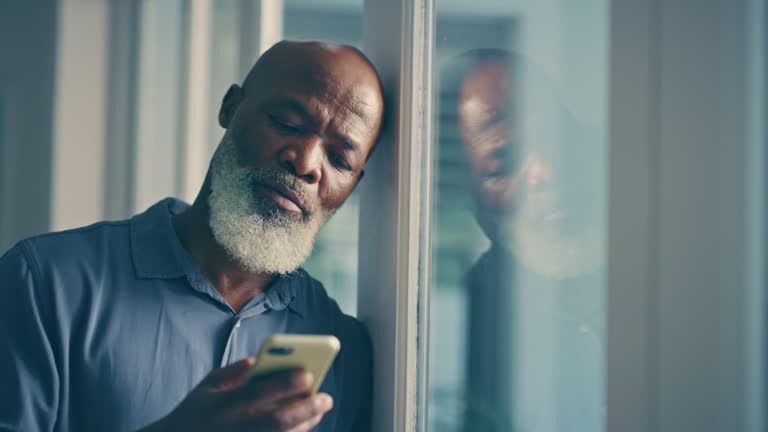
One evening, after another violent episode, James searches online. He finds a safe listening service. He hesitates before sending a message, but eventually, he writes: “I don’t know who else to tell. I’m being hurt by my wife.”
The safe listener doesn’t laugh. They don’t dismiss him. Instead, they let James speak freely. For the first time, he voices the shame and confusion he has carried for years. The listener affirms that his experience is real and that no one deserves violence, man or woman.
James doesn’t get all the solutions in one night. But he finally feels heard. That moment of relief pushes him to take the next steps: seeking legal advice, exploring safe housing, and connecting with a support group.

When to Consider Therapy Instead
Sometimes safe listening is not enough. Some signs suggest clinical support may be necessary:
- Persistent sadness lasting weeks or months.
- Trouble functioning at work or school.
- Severe anxiety or panic attacks.
- Thoughts of harming yourself.
- Struggles with addiction or trauma.
In those moments, therapy or psychiatric care is the right path. Safe listeners can still walk alongside you as you seek professional help. In Kenya, organizations like Befrienders Kenya or Chiromo Lane Medical Centre provide professional support.
How to Reach Out to a Safe Listener in Kenya
There are several entry points:
- Online platforms: Some initiatives connect safe listeners and those in need through apps or websites.
- Community programs: Local NGOs often train volunteers.
- Universities: Some institutions offer peer listening circles for students.
- Faith groups: Churches, mosques, and community centers may have listening ministries.
You can choose whichever feels most comfortable. The goal is to connect with someone ready to listen.
Tips for Making the Most of a Safe Listening Session
A safe listener is there for you, but you can also prepare yourself:
- Be open: Share as much or as little as you like.
- Set the pace: Take breaks if emotions feel strong.
- Ask questions: If you’re unsure about the process, ask.
- Reflect after: Write notes or journal about how you felt.
These simple steps help you get the most from the conversation.
Closing Encouragement
Feeling the need to talk to someone is part of being human. It doesn’t make you weak. It makes you wise enough to seek support.
Sometimes, talking to a safe listener is like taking off a heavy backpack after a long climb. The mountain remains, but your shoulders rest for a while. And in that rest, you find new strength.
If you’re carrying too much on your own, consider reaching out. Safe listeners in Kenya are ready to walk with you. You don’t have to go through it alone.
Conclusion
Need to talk to someone? Connect with a safe listener today. Share your story. Find your space. Take the first step toward feeling lighter.
You can talk to me on 0745464330 via call ot WhatsApp


